Tori Solutions
Mar 05, 2026 · 7 min read

Most SMEs in Bangladesh still run on spreadsheets, WhatsApp threads, and disconnected accounting software. Inventory sits in one system, sales in another, and finance in a third — or worse, in someone's notebook. The result is delayed invoicing, stock mismatches, and decisions made on gut feeling instead of data.
As businesses grow past 15–20 employees, these gaps start costing real money. Orders get missed, purchase timing is off, and no one has a clear picture of profit margins by product or customer.
Odoo is a modular, open-source ERP that covers accounting, inventory, sales, purchasing, HR, manufacturing, and more — all in one platform. For Bangladeshi SMEs, it works well because:
Rolling out an ERP should not disrupt daily operations. Here is a phased approach that works:
Set up Chart of Accounts, configure tax rules, migrate opening balances, and train the finance team on Odoo Accounting. Run parallel with the old system for two weeks.
Map warehouse locations, define product categories, set reorder rules, and connect purchasing workflows. Import current stock data and validate counts.
Configure quotation templates, set up the sales pipeline, and integrate with existing communication channels. Train the sales team on lead tracking and order-to-invoice flow.
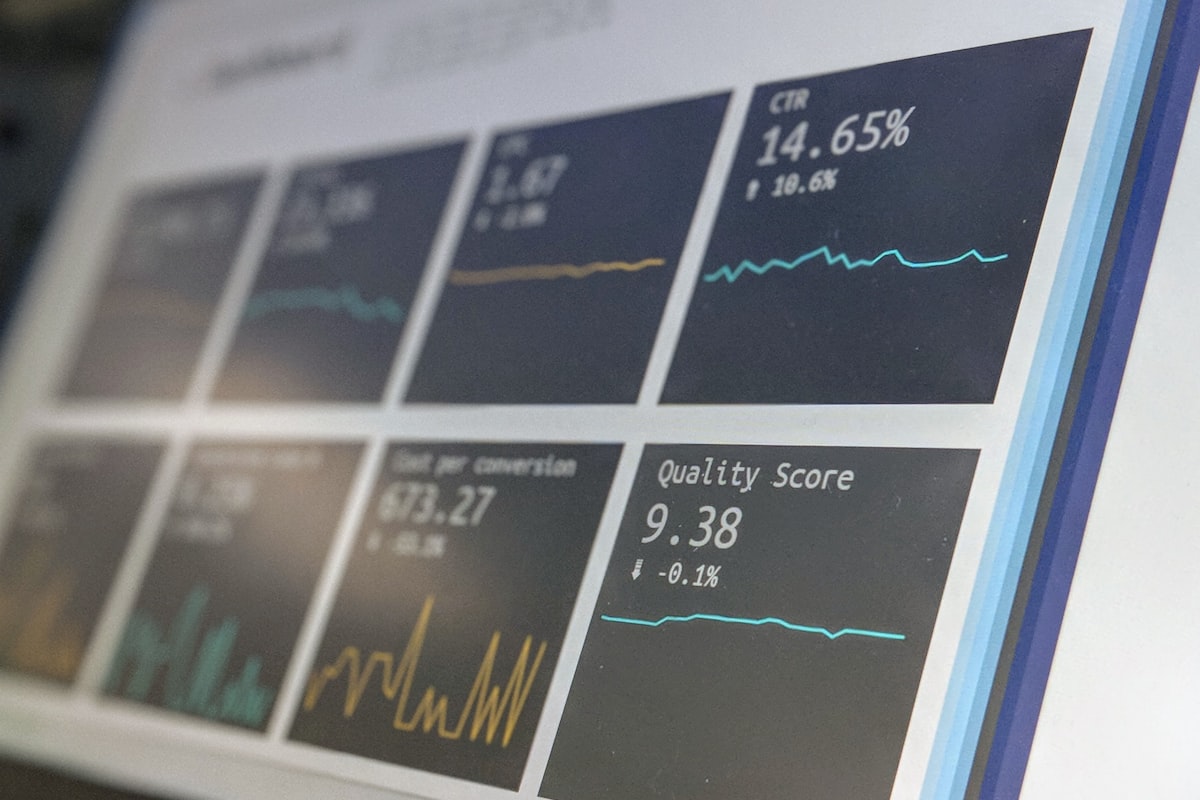
Build custom dashboards for management, set up automated alerts for low stock or overdue invoices, and iterate on workflows based on real usage data.
Odoo is not a magic solution, but for SMEs in Bangladesh looking to move from disconnected tools to an integrated system, it is one of the most practical and cost-effective options available. The key is starting small, getting the foundation right, and expanding from there.
Explore our Odoo ERP services and recent case studies, or reach out to discuss how Tori Solutions can help with your specific requirements.
Tell us what's slowing you down. We'll review your setup and map out what needs fixing.
Start a conversationarrow_forward